
The Arabesque Era: How It Changed Black Romance Forever
Take a nostalgic journey through the Arabesque Era — the moment Black romance changed forever. Discover how these iconic stories and authors paved the way for the swoon worthy love tales we cherish today.
COMMUNITY
Dana Anntynette
10/3/20254 min read
Let’s take it back, friend. Way back. Picture it: the 90s. Box braids were in, R&B ruled the radio, and if you were lucky enough to wander into the romance section at your local library, you might’ve seen something different on the shelves. For the first time, those glossy little paperbacks weren’t just showing the same old windblown white couples on the cover. Nope. This time, it was us. Black women, Black men, Black love. Enter the Arabesque Era, the moment that changed Black romance forever.
So… what was the Arabesque Era?
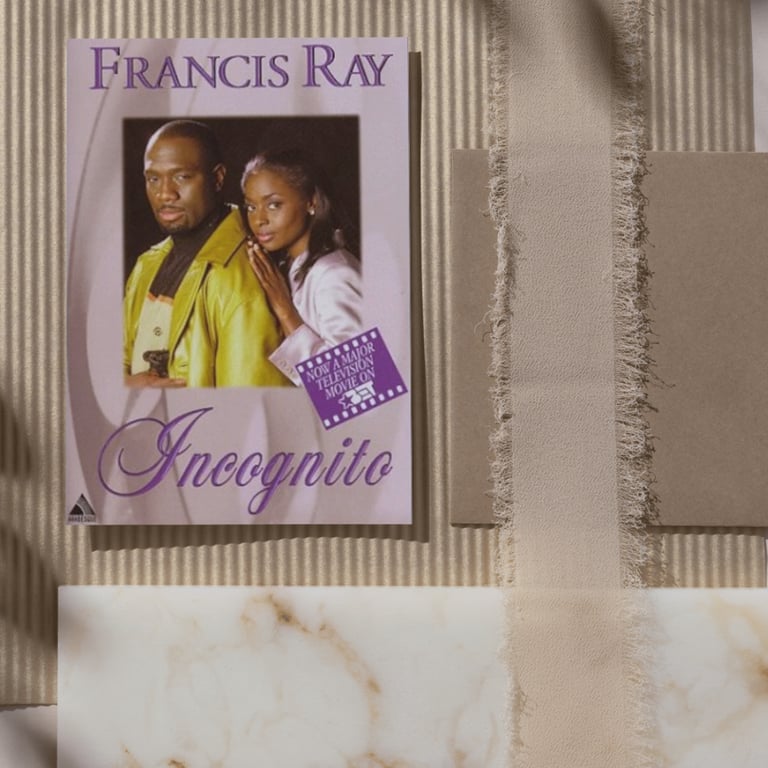
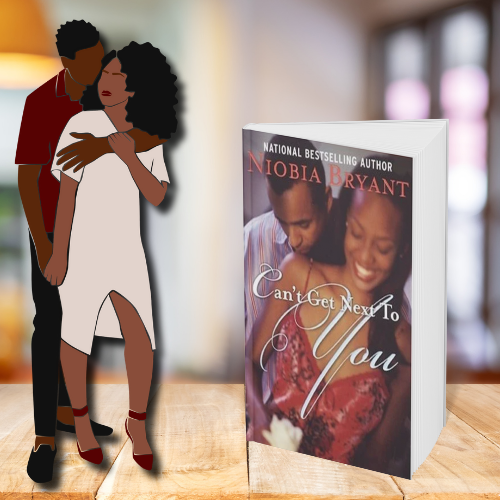
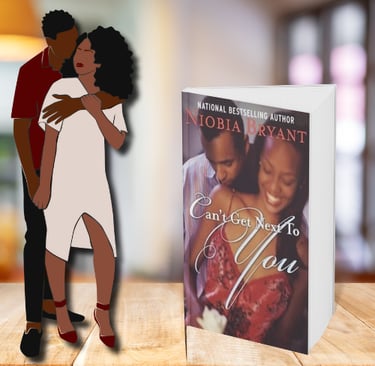
Arabesque Romance was an imprint launched in the 1990s by Kensington Publishing, and honestly? It was revolutionary. For the first time, we had romance stories centering Black people, written by Black authors, and unapologetically marketed as such. And the covers? Girl,...... those covers were EVERYTHING. Beautiful, bold, and undeniably Black. Gone were the days of pretending we could “picture ourselves” into someone else’s story. Arabesque gave us the spotlight we deserved.

Why it mattered (and still does)
Before Arabesque, finding Black love stories in mainstream publishing was like hunting for a needle in a haystack. And if you did find one, it was usually hidden behind stereotypes or pushed to the margins. Arabesque flipped the script. Suddenly, our faces were on the covers, our stories were the main event, and our happily ever after's were celebrated instead of dismissed.
The best part? These books were everywhere. You could grab one while picking up milk at Wally World, snag one from the local book store, or stumble across a shelf at the library that finally.....FINALLY....saw you.
The authors who defined it
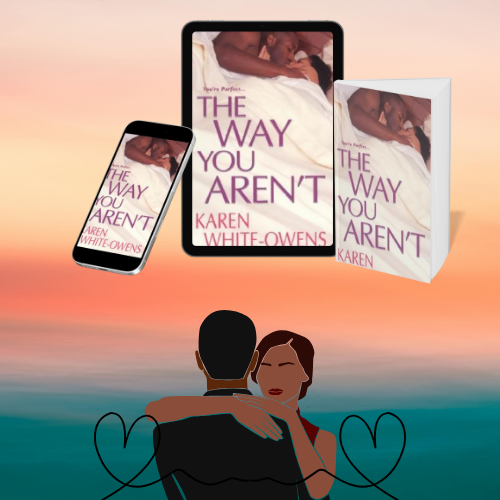
When you think Arabesque, you think Francis Ray (legend!), Rochelle Alers, Brenda Jackson, and so many more. These authors weren’t just writing love stories; they were building entire worlds where Black love could thrive. Each brought something different—Francis Ray with her heartfelt emotional journeys, Rochelle Alers with her lush storytelling, Brenda Jackson with her swoon-worthy alpha heroes. Together, they created a foundation that today’s Black romance still stands on.


The impact on readers
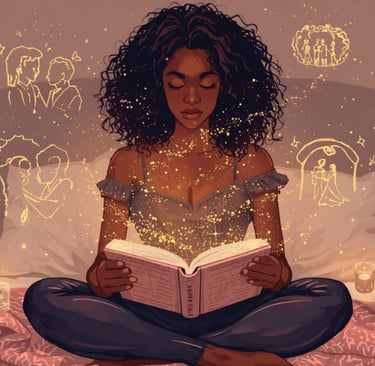
Let me tell you—Arabesque hit different. For so many of us, it was the first time we saw Black women being cherished, desired, and centered in romance. We weren’t the side character, the “sassy best friend,” or the tragic backstory. We were the main character.
And if you’ve ever had that moment where you saw a cover that looked like you—or like your cousin, your mama, your neighbor—then you know the emotional punch it packed. Arabesque made us believe that Black love stories were not only worthy but essential. And for many, those paperbacks became prized possessions—still sitting proudly on bookshelves today.
The legacy
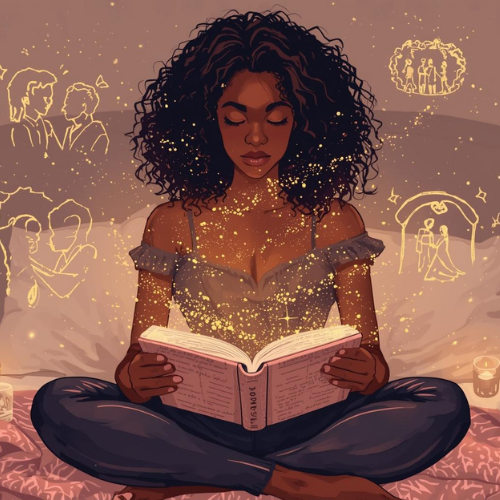
Even though Arabesque as an imprint eventually came to an end, the love it sparked never went away. Today’s Black romance authors—Kennedy Ryan, Aubree Pynn, Christina C. Jones, and so many others—are building on the legacy Arabesque started. The stories are more diverse, the tropes more varied, and the platforms more digital, but the heartbeat is the same: Black love deserves to shine.
And let’s be real....half the reason so many of us still collect Arabesque paperbacks is the nostalgia. They’re like a warm hug from your younger self, reminding you of the day you first discovered them.
Cozy wrap-up
So yeah, Arabesque wasn’t just an era, it was a movement. For me? It was the day I stopped “imagining” myself into somebody else’s love story and finally saw myself on the page. And it’s why I started Cozy in the Stacks, to keep that celebration of Black romance alive, cozy, and always within reach.
Now I want to know, what was your first Arabesque memory? Did you stumble across one at the library? Drop it in the comments, because I want to swoon over those memories with you.
Black romance has always been magic, and Arabesque was the spark that lit the fire for me.






"An online reading nook for introverts who love Black romance. No pressure, no deadlines, just cozy conversations + books that feel like home." - Dana Anntynette
Refund Policy